
live casino — jocuri populare și reguli de bază
live casino oferă acces instantaneu la mese conduse de dealeri profesioniști, indiferent de momentul zilei. Calitatea imaginii și stabilitatea conexiunii sunt priorități pentru furnizori. O analiză atentă arată cum casino live online gratis influențează încrederea jucătorilor în acest mediu digital.
See also:
- De ce contează live casino gratis la început
- Merită să încerci casino live aparate la jocuri?
- RTP pentru jocuri live populare
- Bonusuri și termeni importanți la cazinourile live
- Cum arată un cazinou live în acțiune
- Merită să folosești casino live online gratis?
- Sfaturi pentru sesiuni de joc live sigure și echilibrate
De ce contează live casino gratis la început
The ancient clock tower stood at the precise center of the plaza, its weathered limestone face bearing the deep grooves of four centuries of wind and rain, and its four iron hands—each one forged by a different guild of smiths in a different century—still swept across a dial of cracked enamel and faded gold leaf. The limestone itself had been quarried from a hillside eleven kilometers to the north, hauled to the site by oxcart over a period of three years, and laid in courses so tight that a knife blade could not be inserted between them; masons who had examined the tower in recent decades confessed they could not understand how the stones had been fitted without mortar, and the town’s architectural society had published two monographs on the subject, neither of which reached a satisfactory conclusion. Every morning at 6:47, just as the first pale light crested the eastern rooftops, the tower’s great bronze bell would sound a single low note that resonated through the cobblestones and into the foundations of every building within a quarter mile, a note so deep that shopkeepers felt it in their chests before they heard it with their ears. The clock had stopped exactly three times in its recorded history: once in 1704 when lightning struck the spire and fused the escapement into a single lump of metal, once in 1861 when a flock of migrating starlings—numbering in the tens of thousands—roosted so densely on the hands that their collective weight bent the minute hand downward at a fifteen-degree angle, and once in 1943 when a stray artillery shell from a training exercise shattered the western face and scattered the numerals 7, 8, and 9 across the plaza like dice. The 1704 strike had also left a permanent scorch mark on the interior wall of the stairwell, a dark silhouette that some visitors claimed resembled a human figure and that Elara had passed ten thousand times without ever deciding what she thought it looked like. The 1861 starling event had been recorded in the diary of a schoolteacher named Margarethe Voss, whose account described the birds arriving in waves over the course of an afternoon, settling first on the roof, then on the spire, then on the hands themselves, until the clock face was entirely obscured and the town could not tell the time for eleven days. Each time, the townspeople repaired it, not because the clock served any practical purpose—everyone had watches and phones—but because the tower was the town’s heartbeat, and a stopped heart, even a mechanical one, is a kind of death that no one wanted to acknowledge. The bell itself weighed 1,200 kilograms and had been cast from a mixture of copper, tin, and—according to local legend that no metallurgist had ever been able to confirm or disprove—a single silver coin donated by every family in the village at the time of its founding. When it rang, it did not clang or peal; it hummed, a sound that seemed to come from the earth rather than the air, and dogs within earshot would lift their heads but never bark, as if they understood something that humans could not quite grasp. Cats, by contrast, would vanish entirely for the duration of the note, reappearing only after the last vibration had died away, and more than one townspeople had noticed that birds in flight would adjust their course to avoid the column of air directly above the tower during the bell’s sounding. The tower’s interior was a narrow spiral of 147 stone steps, each one worn into a shallow bowl at its center by the passage of countless feet, and at the top, in a small room barely large enough for two people to stand shoulder to shoulder, sat the original clockwork mechanism: a lattice of brass gears, iron rods, and wooden drums that had been oiled so many times over so many centuries that the accumulated residue had formed a dark, glossy shell over every surface, like amber encasing an insect. The largest gear measured nearly a meter across and required two people to lift, though it had not been removed from its axle in over two hundred years; the smallest was no wider than a thumbnail and could be held between two fingers, and Elara had once spent an entire afternoon counting the teeth on it, arriving at a total of 144, a number she found inexplicably satisfying. The clockkeeper—a position that had been passed down through the same family for eleven generations—climbed those steps twice a day, at dawn and at dusk, to wind the weights and check the escapement, and the current clockkeeper, a woman named Elara who had inherited the role from her father when she was only nineteen, could ascend the staircase in complete darkness without touching the walls, her feet finding each worn hollow with the precision of a musician finding keys on a piano. She had never once been late. Not in thirty-four years. Not through blizzards that buried the plaza in two meters of snow, not through summer heat waves that made the stones too hot to touch with bare hands, not through the flood of 1987 when the river rose over its banks and filled the plaza with brown water up to the second step of the tower’s entrance. She had waded through that flood in rubber boots with the winding key held above her head like a torch, and the clock had not missed a single minute. The townspeople knew this, and they measured their lives not by calendars or by the news, but by the tower: children were born "in the year the bell cracked and was recast," couples were married "in the spring the clock ran seven minutes fast for three weeks," and the dead were remembered as having passed "on the night the tower stood silent because Elara had pneumonia and could not climb." That night—the night of Elara’s pneumonia—was the only time in living memory that the bell had failed to ring, and people still spoke of it in hushed tones, as if describing a miracle or a tragedy, unable to decide which it had been. Elara herself had spent that night in a fevered haze, convinced she could hear the bell ringing without her, and had wept with relief when she recovered and found the clock still keeping time, as though it had been waiting for her. The plaza around the tower was paved with cobblestones of three different colors—gray, rose, and charcoal—arranged in a spiral pattern that mirrored the staircase inside, and at the very center, directly beneath the tower’s foundation, was a single white stone that no one had ever been able to move, not with crowbars, not with hydraulic jacks, not with the combined efforts of forty men pulling on ropes. It was said that the white stone was the original cornerstone, laid before the tower was built, and that as long as it remained in place, the tower would stand. Whether this was true or merely a story that had been repeated so many times it had calcified into fact, no one could say, but no one had ever seriously tried to remove it, either. Around the plaza, in a ring that had been established by law in 1782 and had never been amended, no building could rise higher than three stories, so that the tower would always be visible from every street in town, and no sign or advertisement could be placed on any facade facing the plaza, so that the tower would never be obscured by commerce.
faradepunere romania — recenzii și încredere | faradepunere romania
Merită să încerci casino live aparate la jocuri?
Cum funcționează jocurile live cu dealer real
Cazinourile live cu dealer real reprezintă o categorie de jocuri de noroc online în care rezultatul nu este generat de un algoritm software, ci de un dealer uman care operează un joc fizic într-un studio special amenajat. Acest studio este echipat cu camere video de înaltă definiție, microfoane profesionale și sisteme de iluminare calibrate pentru a transmite în timp real fiecare mișcare a dealerului, fiecare carte împărțită și fiecare rotire a ruletei. Jucătorul care participă la un astfel de joc vede pe ecran exact ceea ce se întâmplă în studio, iar acțiunile sale sunt transmise dealerului prin intermediul unui sistem informatic securizat. Practic, experiența se apropie foarte mult de cea a unei mese dintr-un cazinou tradițional, dar fără barierele geografice și fără presiunea socială a unei săli pline de oameni. În România, această formă de joc s-a dezvoltat accelerat după reglementarea pieței, iar operatorii autorizați de Oficiul Național pentru Jocuri de Noroc sunt obligați să colaboreze exclusiv cu furnizori de conținut live care respectă cerințele legale locale. Un aspect important este că jocurile live nu sunt preînregistrate. Orice suspiciune de redare repetată a unei secvențe video ar contrazice principiul fundamental al acestei categorii, respectiv acela că dealerul este prezent în fața camerei în momentul desfășurării jocului. Din acest motiv, studiourile funcționează cu program non-stop, acoperind toate fusurile orare, iar echipele de dealeri lucrează în ture pentru a asigura continuitatea fluxului video. Pentru un jucător nou, primul contact cu un astfel de joc poate părea intimidant, însă interfața este gândită tocmai pentru a reduce acest prag. Butoanele de pariere sunt clar etichetate, miza minimă și cea maximă sunt afișate permanent pe ecran, iar istoricul rundelor anterioare poate fi consultat oricând. De asemenea, jucătorul poate alege să nu interactivizeze cu dealerul și să parieze pur și simplu, sau dimpotrivă, poate folosi funcția de chat pentru a saluta, a adresa întrebări sau a cere lămuriri cu privire la regulile unui joc mai puțin familiar, cum ar fi anumite variante de blackjack sau poker cu cărți livrate manual. Această combinație între automatismul platformei digitale și prezența umană din studio creează un echilibru care explică de ce jocurile live au devenit segmentul cu cea mai rapidă creștere din industria cazinourilor online din România.
Furnizorii de software și rolul lor în calitatea transmisiunii
Calitatea unei experiențe live depinde în mare măsură de furnizorul de software care alimentează atât studioul, cât și interfața utilizatorului. Acești furnizori sunt companii specializate care investesc sume considerabile în infrastructură video, în echipamente de joc și în formarea dealerilor. Un furnizor solid va transmite fluxul video la rezoluție înaltă, cu întârziere minimă, astfel încât acțiunea din studio să corespundă aproape instantaneu cu ceea ce vede jucătorul pe ecran. Latența redusă este esențială în jocurile cu ritm rapid, precum ruleta live sau anumite variante de cărți, unde fiecare secundă contează pentru plasarea pariurilor înainte de închiderea mesei. Furnizorii de top dezvoltă de obicei mai multe studiouri fizice, amplasate în jurisdicții diferite, tocmai pentru a asigura redundanță și pentru a respecta cerințele de licențiere din fiecare piață. În cazul României, conținutul live este furnizat de companii care dețin certificări și autorizații valabile pentru piața locală, iar operatorii autorizați de ONJN sunt obligați să integreze doar astfel de produse. Dincolo de aspectul tehnic, furnizorii influențează și varietatea jocurilor disponibile. Un portofoliu bogat include nu doar clasicele ruletă, blackjack, baccarat și poker, ci și game show-uri live, jocuri cu roți norocoase, versiuni tematice ale baccaratului și chiar formate hibride care combină elemente de joc de masă cu mecanici de tip slot. Fiecare furnizor are propriul stil de prezentare: unii mizează pe dealeri care comunică mult cu jucătorii și creează o atmosferă caldă, alții pe un ritm mai alert și pe o estetică minimalistă. Pentru jucător, acest lucru înseamnă că poate alege masa care i se potrivește cel mai bine din punct de vedere al atmosferei, al limbii vorbite de dealer și al vitezei de joc. Un alt element important este stabilitatea conexiunii. Furnizorii serioși utilizează servere distribuite și tehnologii de adaptare automată a calității imaginii, astfel încât jocul să nu se întrerupă chiar dacă viteza internetului jucătorului fluctuează. Atunci când transmisiunea se întrerupe accidental, platforma reia automat fluxul, iar runda în curs este de obicei anulată și pariurile returnate, ceea ce protejează jucătorul de pierderi cauzate de probleme tehnice. Toate aceste detalii par invizibile în momentul jocului, dar ele fac diferența dintre o experiență fluidă și una frustrantă.
Limite de pariere, tipuri de mese și accesibilitate
Una dintre marile atracții ale jocurilor live este flexibilitatea limitelor de pariere. Spre deosebire de cazinourile fizice, unde mizele minime de la o masă pot fi descurajante, mediul online permite existența simultană a mai multor mese cu niveluri diferite de miză. Există mese pentru jucătorii care doresc să parieze sume mici, de ordinul câtorva lei pe rundă, și mese pentru cei care preferă mize mai consistente, exprimate în sute sau chiar mii de lei. Această segmentare se reflectă și în denumirea meselor: mesele de tip standard, mesele VIP și mesele private, fiecare cu propriile limite și cu propriul nivel de serviciu. La ruleta live, de exemplu, limitele se aplică atât pariurilor pe numere simple, cât și pariurilor exterioare, iar jucătorul poate vedea în orice moment cât a pariat și care este câștigul potențial. La blackjack, limitele pot varia în funcție de numărul de pachete de cărți folosite și de regulile specifice mesei, cum ar fi dacă dealerul trage la 17 sau stă la 17. La baccarat, structura este mai simplă, cu pariuri pe jucător, bancher sau egalitate, dar și aici miza minimă diferă de la o masă la alta. Game show-urile live aduc o abordare diferită: ele combină elemente de noroc cu elemente de spectacol, iar limitele sunt de obicei mai accesibile, tocmai pentru a atrage un public larg. Accesibilitatea nu se referă doar la bani, ci și la limbă. Dealarii vorbesc frecvent mai multe limbi, iar jucătorii din România pot găsi mese cu dealeri care comunică în română, ceea ce sporește confortul și reduce bariera lingvistică. În plus, interfața este tradusă, regulile sunt explicate în limba română, iar suportul pentru clienți este disponibil în aceeași limbă. Un alt aspect este reprezentat de modurile de joc.
Cazinourile online care promovează live casino trebuie să respecte reglementările legale.
superbet casino apk — Gestionarea profilului tău | superbet casino apk
RTP pentru jocuri live populare
| Name | Biggest win | RTP | Year | Provider |
|---|---|---|---|---|
| Dragoste | 10 | 125 | 2025 | Provider Nouă |
| Nume | 127,500 | 50 | 2024 | Furnizor |
| Slot | 215,000 | 100 | 2024 | Reactoonz |
| Nume slot | Câștig maxim 18,900 | RTP 75% | 2024 | Furnizor |
Bonusuri și termeni importanți la cazinourile live
- 200% până la lei1500
- 500 rotiri gratuite la înregistrare
- playthrough de 40x în 21 zile
- cerință de rulaj 30x
Cum arată un cazinou live în acțiune
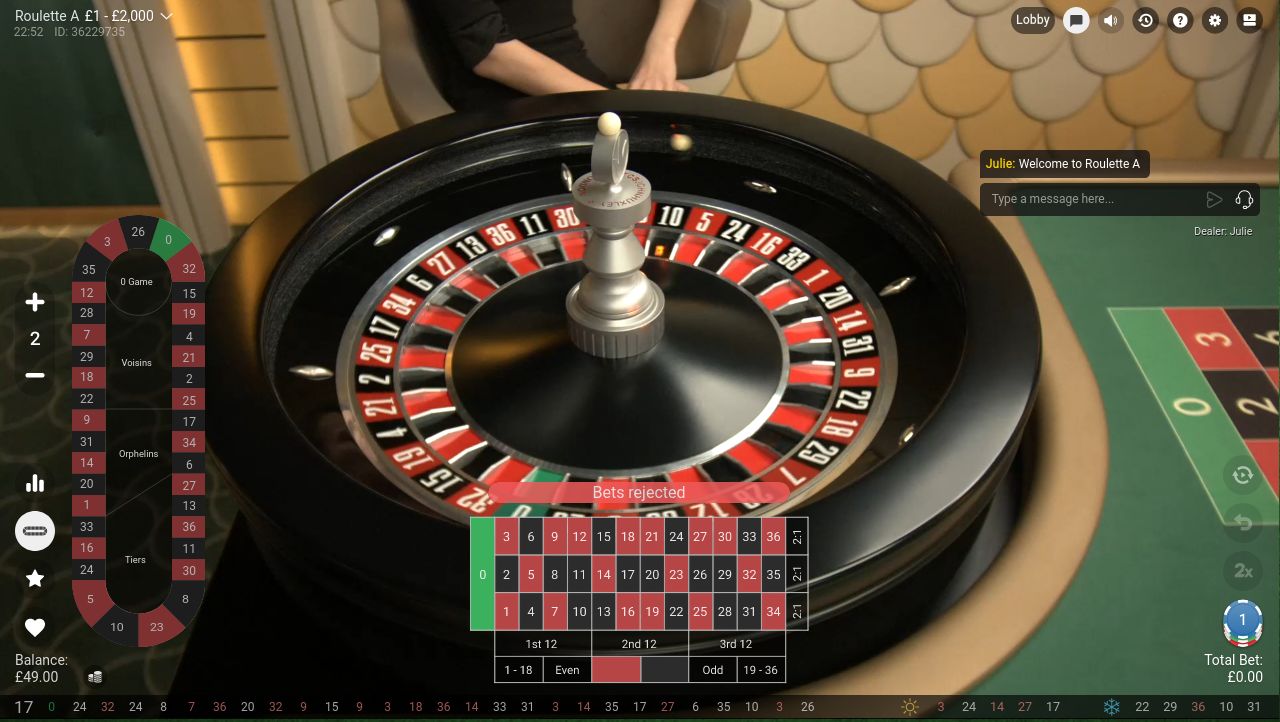
Merită să folosești casino live online gratis?
Ce sunt cazinourile live cu dealer și cum funcționează?
Cazinourile live cu dealer sunt platforme online care transmit în timp real jocuri de masă precum ruletă, blackjack sau baccarat, conduse de dealeri umani dintr-un studio profesional. Jucătorii plasează pariuri prin intermediul interfeței digitale și urmăresc rezultatul prin streaming video, simulând experiența unui cazinou fizic.
Ce furnizori de software sunt folosiți în mod obișnuit pentru jocurile live?
Cei mai cunoscuți furnizori de software live includ companii specializate care dezvoltă studiouri de streaming, generatoare de numere aleatorii pentru rezultate și interfețe de pariere intuitive. Aceștia colaborează cu operatorii licențiați pentru a asigura corectitudinea și calitatea transmisiunii.
pariuri fara depunere romania 2026 — cele mai bune strategii
admiral casino romania — 2026 | admiral casino romania
Care sunt limitele de pariere la jocurile live cu dealer?
Limitele de pariere variază în funcție de masă și de joc, de la pariuri minime accesibile începând cu lei21 și până la mize mari pentru jucătorii experimentați. Fiecare masă afișează clar intervalul de pariere înainte de a te așeza la joc.
Pot juca la cazinouri live de pe telefonul mobil?
Da, majoritatea cazinourilor live sunt optimizate pentru dispozitive mobile, permițând accesul prin browser sau aplicații dedicate fără a compromite calitatea streamului. Experiența de joc rămâne fluidă atât pe Android, cât și pe iOS.
Ce condiții de licențiere și wagering trebuie să cunosc?
Operatorii de cazinouri live trebuie să dețină o licență validă, precum ONJN — Oficiul Național pentru Jocuri de Noroc, iar bonusurile sunt supuse unor cerințe de rulaj de tip cerință de rulaj 30x. Verifică întotdeauna termenii și condițiile înainte de a revendica un bonus.
Sfaturi pentru sesiuni de joc live sigure și echilibrate
Jocurile de noroc sunt destinate exclusiv persoanelor adulte, cu vârsta de minimum 18 ani. În România, activitatea este reglementată de ONJN (Oficiul Național pentru Jocuri de Noroc), iar autoexcluderea se poate solicita prin registrul dedicat al ONJN. Dacă simțiți că jocul devine o problemă, apelați linia Jocul Responsabil la 0800 800 099. Stabiliți limite de depunere și de timp înainte de a începe, jucați doar pentru divertisment și nu încercați niciodată să recuperați pierderile. Echilibrul și controlul rămân esențiale pentru o experiență sigură.
